J Hortic Sci Biotechnol 85(4):289294 Fang G, Yang S, Ruan B, Ye G, He M, Su W, Zhou Y, Wang J, Yang S (2024) Research progress on physiological, biochemical, and molecular mechanisms of potato in response to drought and high temperature
471 The mechanisms by which SGLT2 inhibitors treat heart failure include lowering blood glucose levels by inhibiting the SGLT2 protein in the renal tubules and reducing glucose reabsorption in the tubules
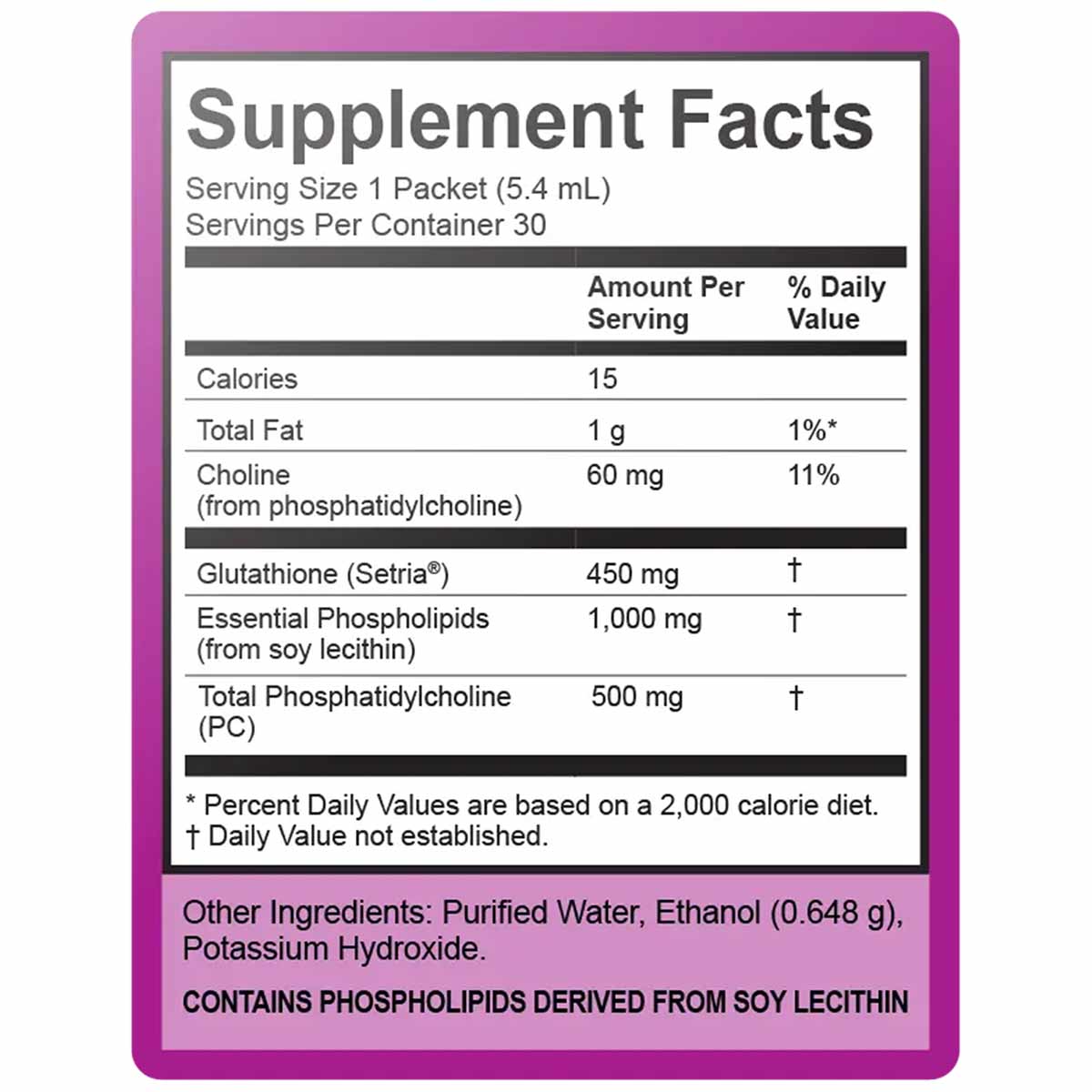
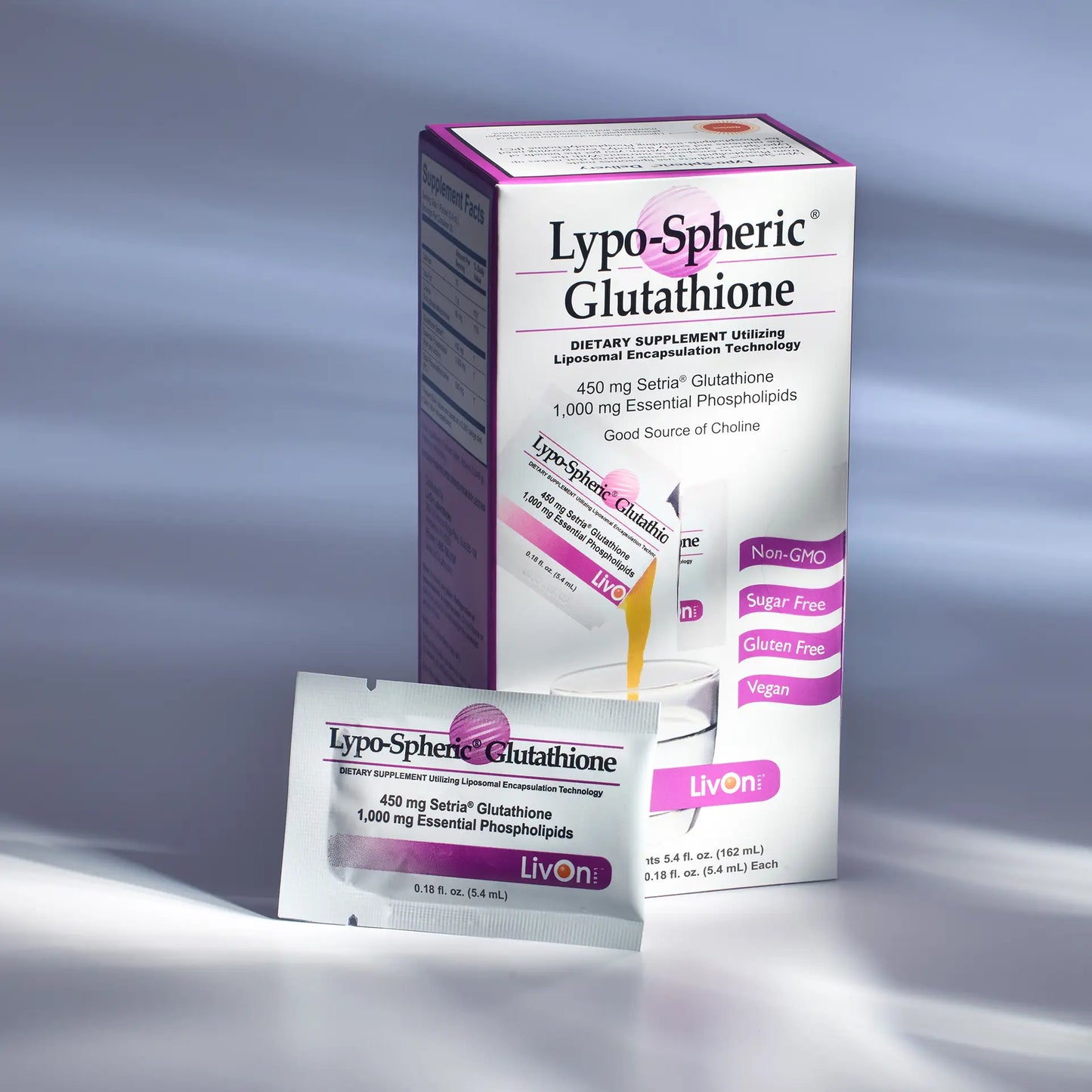
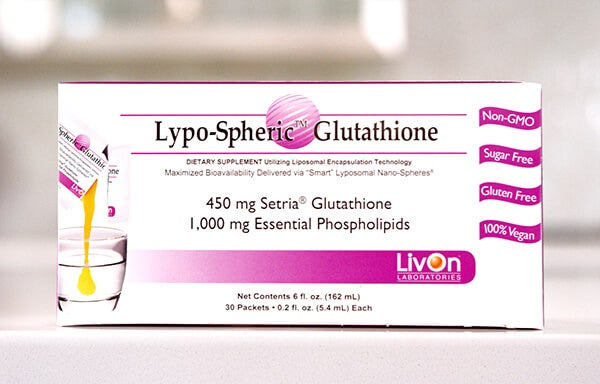
Patented Intracellular Antioxidant Support, Superior Bioavailability*

Cerebrolysin Research Protocols & Administration Dosing in Published Research Research investigations have employed diverse Cerebrolysin doses depending on species, condition, and route: Preclinical Studies: Rat stroke models: 2.5-7.5 ml/kg optimal range (0.8-7.5 ml/kg studied) Rat TBI models: 2.5 ml/kg identified as optimal dose Mouse neurodegenerative models: 5 ml/kg typical dose Administration timing: Usually 4 hours post-injury, daily for 10-21 days Human Clinical Trials: Acute stroke: 30-50 ml/day intravenously for 10-21 days Vascular dementia: 20-30 ml/day for 4-week cycles Alzheimers disease: 10-60 ml/day for 4-24 weeks Traumatic brain injury: 30-50 ml/day for 10-21 days Important: These dosing regimens are specific to the conditions and species studied and cannot be extrapolated across species or indications due to significant differences in pharmacokinetics, peptide metabolism, receptor expression patterns, and disease pathophysiology