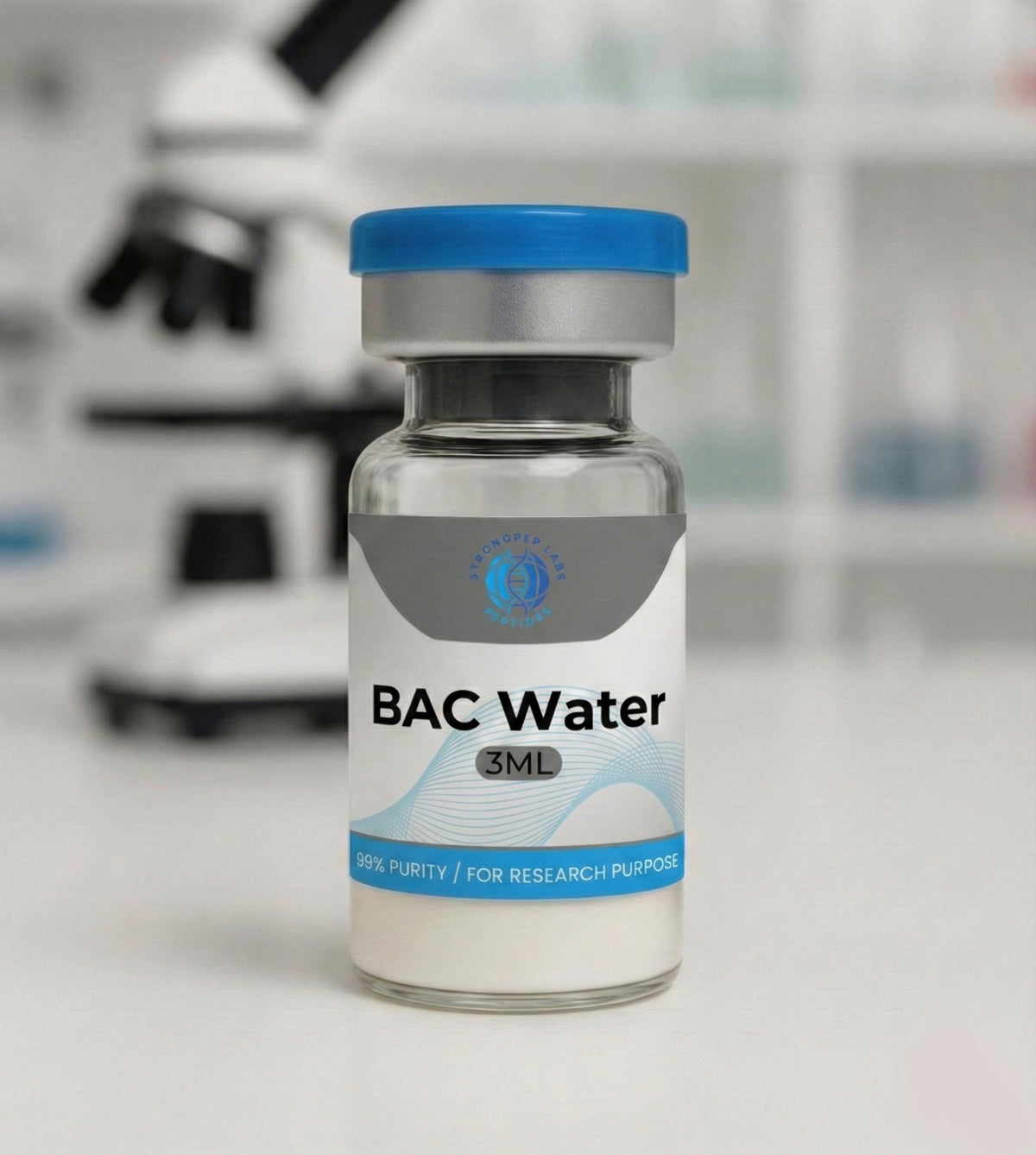
For step-by-step dilution mathematics, see our reconstitution calculator guide and our peptide storage research guide
Vitamin B12 is crucial for several physiological processes, including: Red blood cell formation deficiency leads to megaloblastic anaemia, characterised by large, immature red blood cells Neurological function B12 is required for myelin synthesis and nerve health DNA synthesis essential for cell division and growth Without adequate B12, patients may develop symptoms such as fatigue, pallor, shortness of breath, glossitis (sore tongue), paraesthesia (pins and needles), and in severe cases, neurological complications including peripheral neuropathy, ataxia, and cognitive impairment
Seizure medications such as phenytoin and phenobarbital, as well as diabetes medications like metformin, can lower B12 levels over time
Furthermore, it improves oxygen use in muscles, aiding faster recovery after illness or surgery