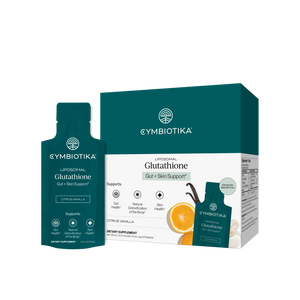
Features Benefits: How to use: Major Ingredients Water, Glycerin, Butylene Glycol, 1,2-Hexanediol, Niacinamide, Dipropylene Glycol, C12-14 Alketh-12, Hydroxyethyl Urea, Glutathione, Arginine, Acrylates/C10-30 Alkyl Acrylate Crosspolymer, Diphenyl Dimethicone, Triethylhexanoin, Phosphatidylcholine, Polyglyceryl-10 Laurate, Xanthan Gum, Glyceryl Acrylate/Acrylic Acid Copolymer, Ethylhexylglycerin, Arbutin, Adenosine, Hydrogenated Lecithin, Polyglyceryl-10 Oleate, PVM/MA Copolymer, Betaine, Hydrolyzed Hyaluronic Acid, Caprylyl Glycol, Pentylene Glycol, Propanediol, Ascorbic Acid, Lactobacillus/Hibiscus Sabdariffa Flower Ferment Filtrate, Lactic Acid, Tocopherol, Riboflavin, Retinyl Palmitate, Pantothenic Acid, Niacin, Folic Acid, Thiamine HCl, Carnitine HCl, Biotin, Salicylic Acid, Tromethamine, Glycolipids, Gluconolactone, Magnesium Sulfate, Manganese Sulfate, Capryloyl Salicylic Acid Ingredients subject to change at manufacturer's discretion
The 2ml and 3ml vials suit single-peptide or lower-volume reconstitution, while the 10ml vial is more practical if you're reconstituting multiple peptide vials or running an extended research protocol
Co-administration with prokinetic agents (e.g., domperidone) or antacids may alter absorption or worsen GI discomfort
[43] Marine yeasts, defined as the yeasts that are isolated from marine environments, are able to grow better on a medium prepared using seawater rather than freshwater