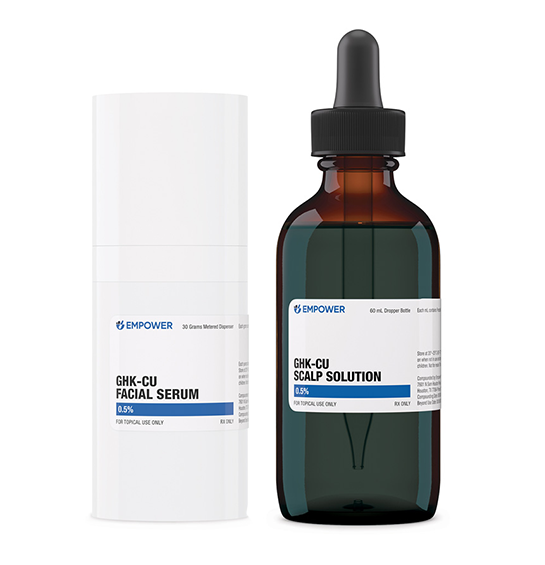
The mechanisms most relevant to knee pain: VEGF upregulation stimulates new blood vessel formation in cartilage and connective tissue, areas that are notoriously slow to heal due to limited blood supply Nitric oxide modulation regulates inflammation and promotes vasodilation, improving blood flow to damaged tissue Collagen synthesis accelerates organized collagen deposition at repair sites instead of disorganized scar tissue Tendon-to-bone healing particularly relevant at the patella tendon and other knee attachment points Animal studies across rat, rabbit, and canine models showed consistent findings across these pathways
Role of glycocalyx in SAP-associated multiple organ dysfunction The pathogenesis of SAP is complex and involves intracellular inflammatory pathways, enzyme activation, endotoxemia, and vascular endothelial damage (Table 3)
If BPC-157 increased cancer risk by a small percentage, the effect might not be noticeable without systematic tracking across thousands of users over many years
Side-by-Side Comparison Bacteriostatic Water: Contains 0.9% benzyl alcohol | Multi-dose (28 days) | Inhibits bacterial growth | Standard for peptide reconstitution | pH 4.57.0 | Available in 10mL and 30mL Sterile Water for Injection: Contains no preservative | Single-use only | Discard remaining after first draw | For specific protocols requiring preservative-free diluent | Same pH range | Available in 30mL Both Products from Renew Lab Group Both Renew Lab Groups bacteriostatic water and sterile water for injection are manufactured in the same Houston, TX ISO-compliant cleanroom, HPLC-tested every batch, and include a batch-specific Certificate of Analysis